

Adventures
- Beaches
- Biking Multi-Terrain
- Birding and Wildlife
- Camping
- Clamming
- Crabbing
- Culture, Art & History
- Dunes & ATV'ing
- Entertainment, Theaters & Nightlife
- Fishing & Charters
- Forest Bathing
- Gaming
- Golfing
- Hiking & Walking
- Ocean Life & Tidepooling
- Running
- Shopping
- State Parks & National Lands
- Storm Watching
- Water Recreation
- Waterfalls & Estuaries
Exploring Tidepools and Marine Life
You'll find diverse marine habitats on the Southern Oregon Coast. This is because OAC includes rocky and sandy shores, bays and estuaries, isolated coves, sea caves, extensive sand dunes and the open Pacific. And what makes Land's End here even more awe-inspiring is that the entire ecosystem is framed by picturesque coniferous forest.
Charleston Marine Life Center
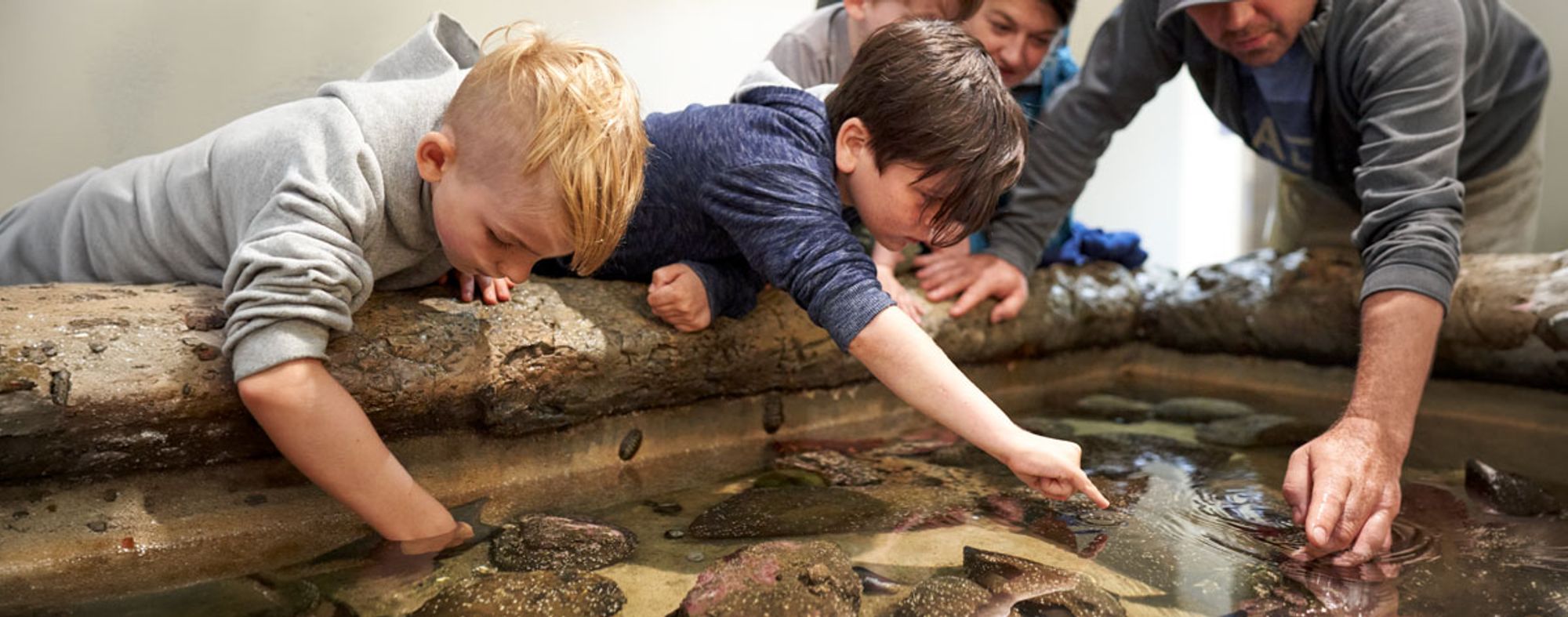
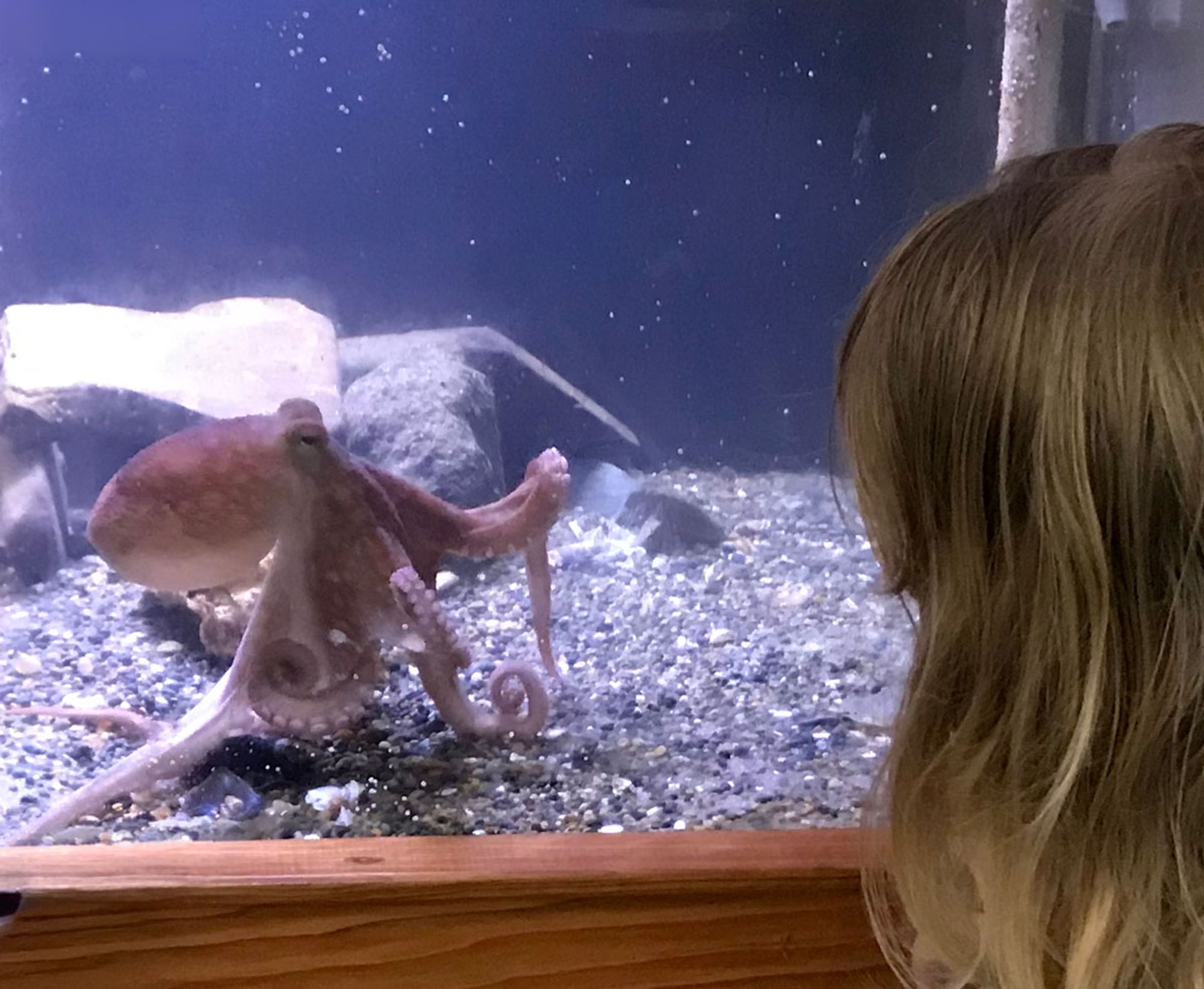
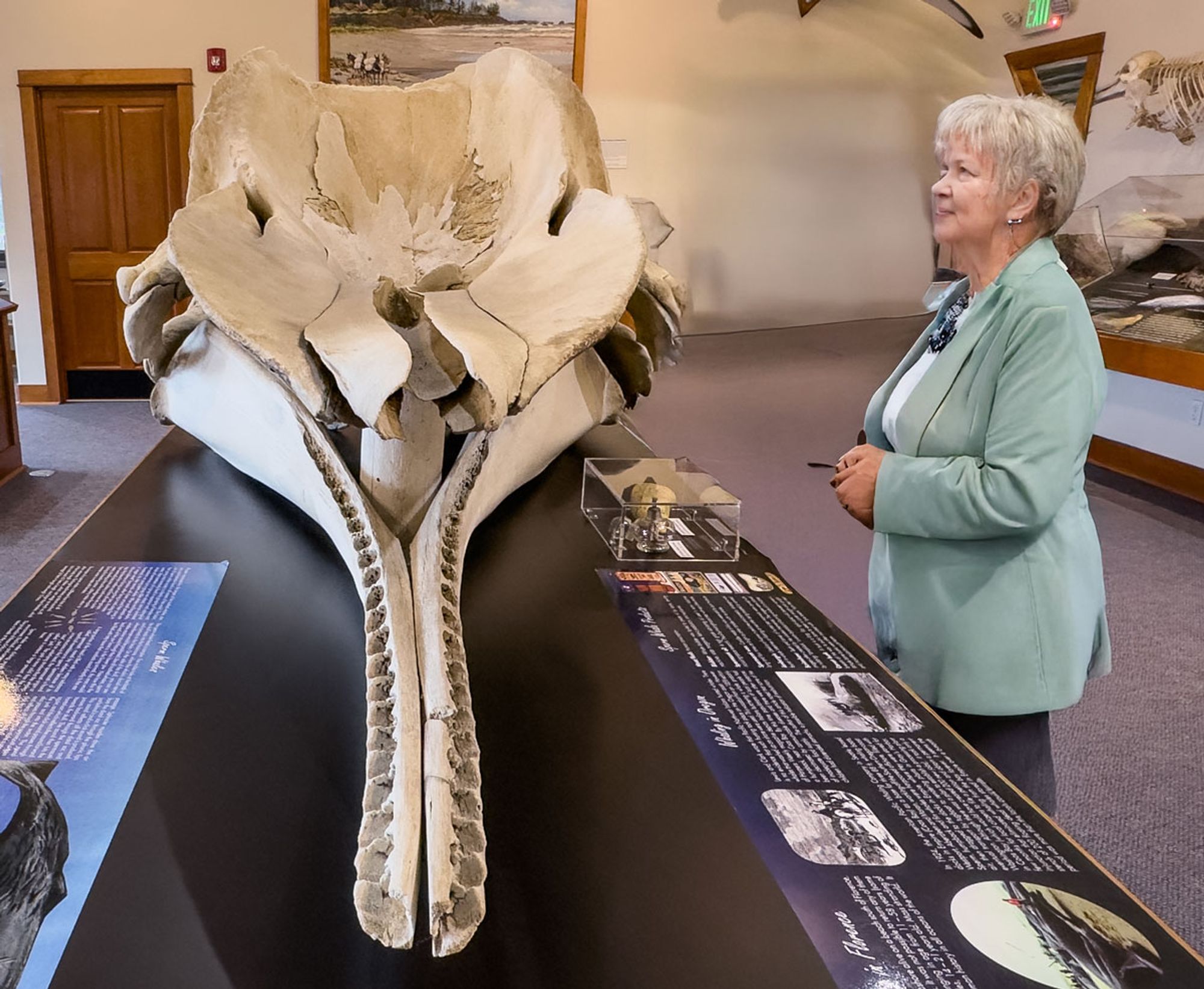
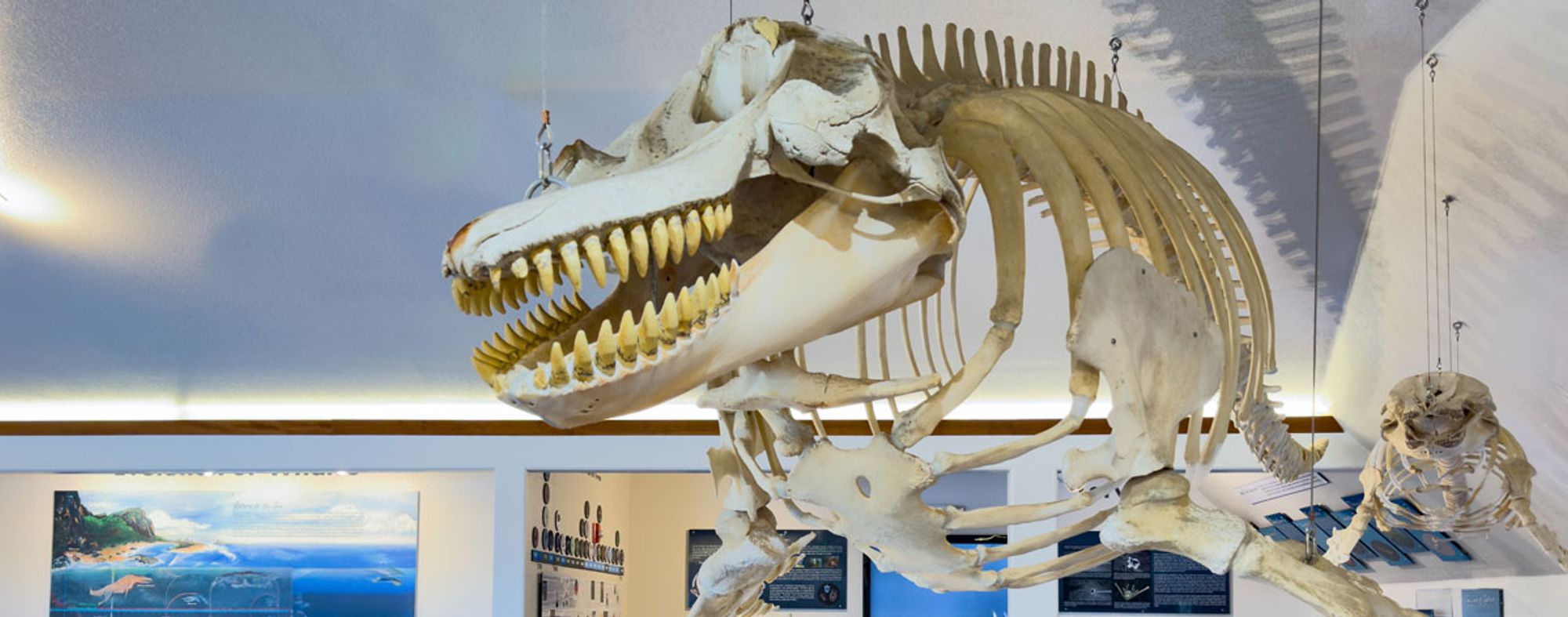
Located on the edge of the harbor in Charleston, OR, the Oregon Institute of Marine Biology's Charleston Marine Life Center is an exciting place for discovery. Aquaria highlighting different coastal ecosystems, a tidepool touch tank, whale and sea lion skeletons, underwater video from deep reefs and undersea volcanoes, and a variety of specimens reveal the hidden and remarkable diversity of life off Oregon, from the coast to the deep sea. And that's all indoors.
Charleston Marine Life Center
Come explore hands-on marine science the whole family will love — touch tanks, whale skeletons, and up-close views of Oregon's coastal creatures. Visit the Charleston Marine Life Center website for current hours and days of operation.
63466 Boat Basin Road, Charleston, OR 97420
(541) 346-7280
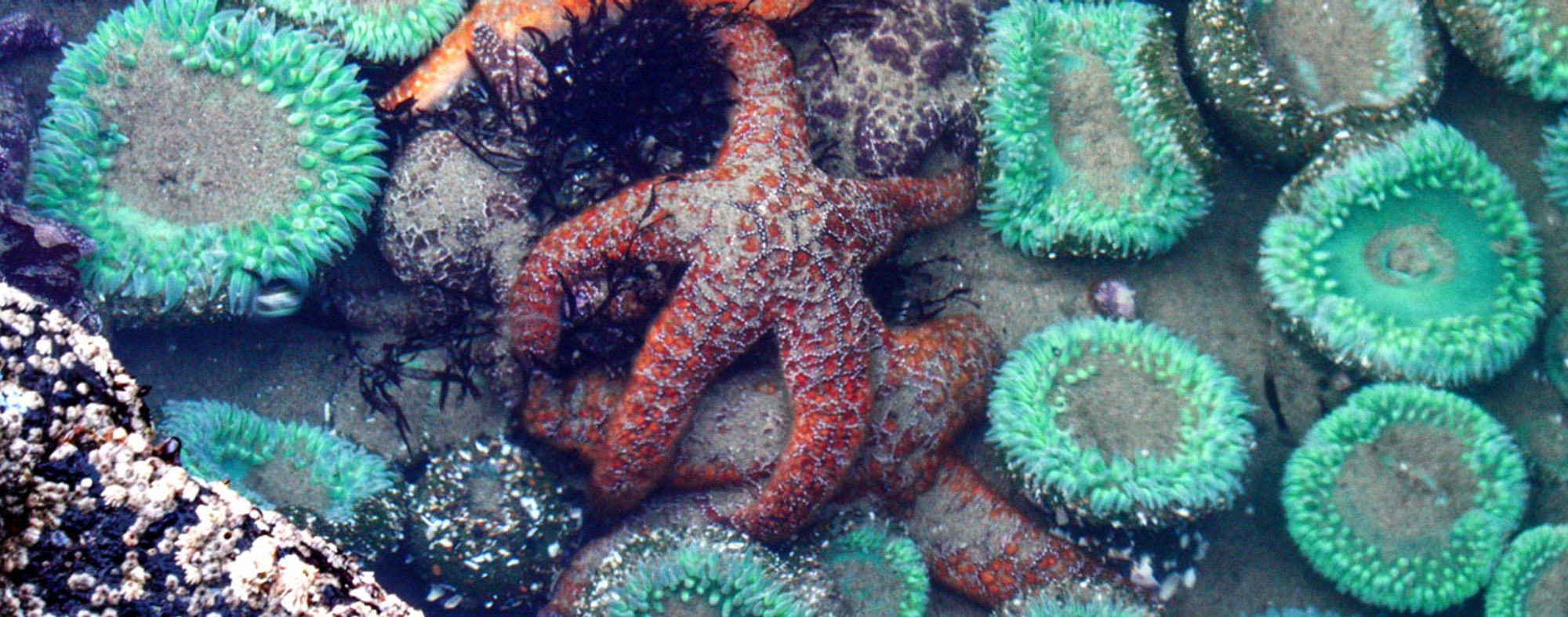
Tidepooling in Nature
When you're ready to step outside, you couldn't be in a better spot to continue your marine life exploration.
Charleston is on some of the most spectacular coastline in Oregon. This area is famous for its rugged topography and spectacular scenery. There are daily opportunities to interact with nature in all of her splendor.
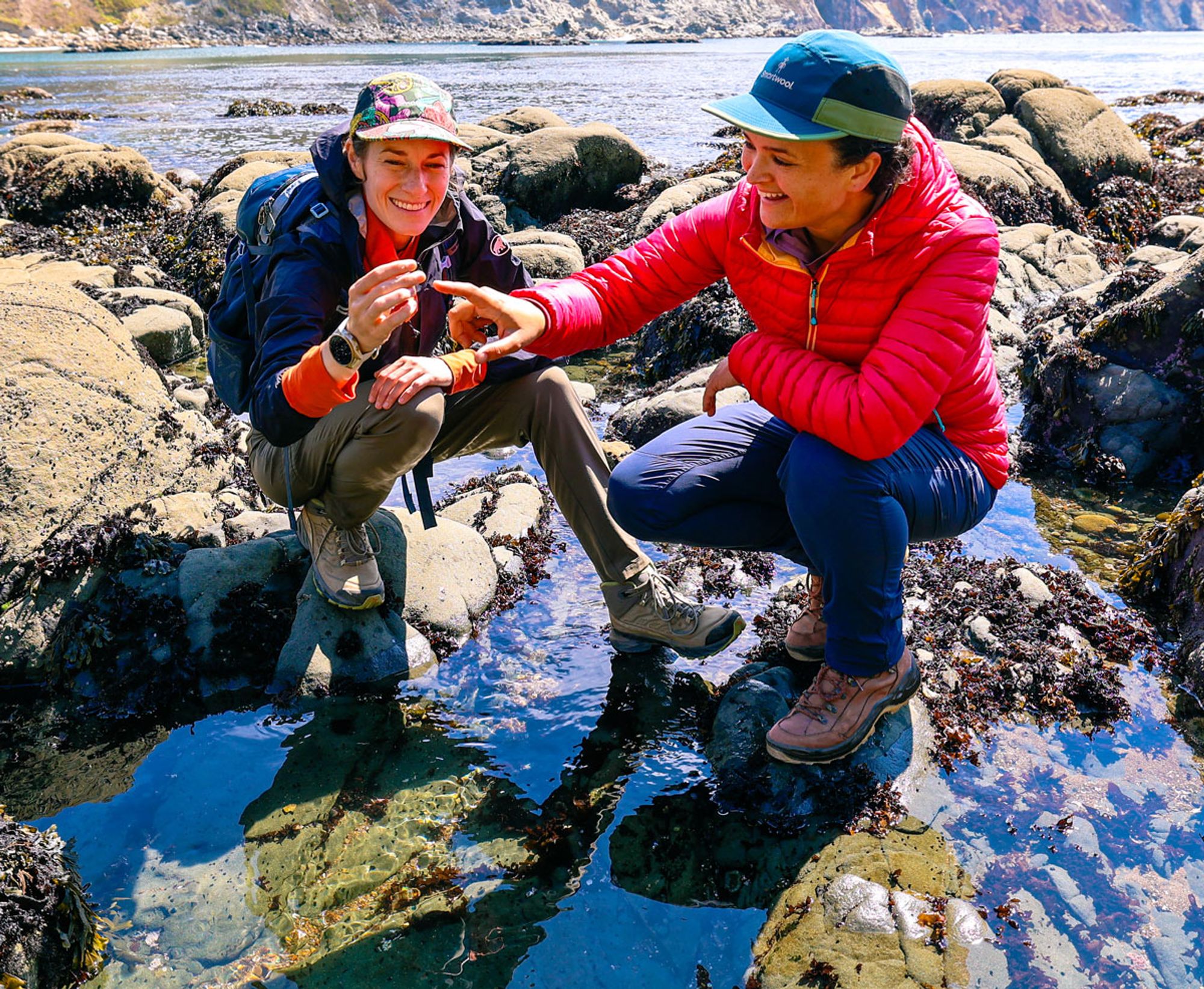
Explore the varied seashore and marvel at one-of-a-kind tidepools! Learn about what it is like to live where the waves crash and plants and animals are sometimes left in pools just waiting for the next tide.
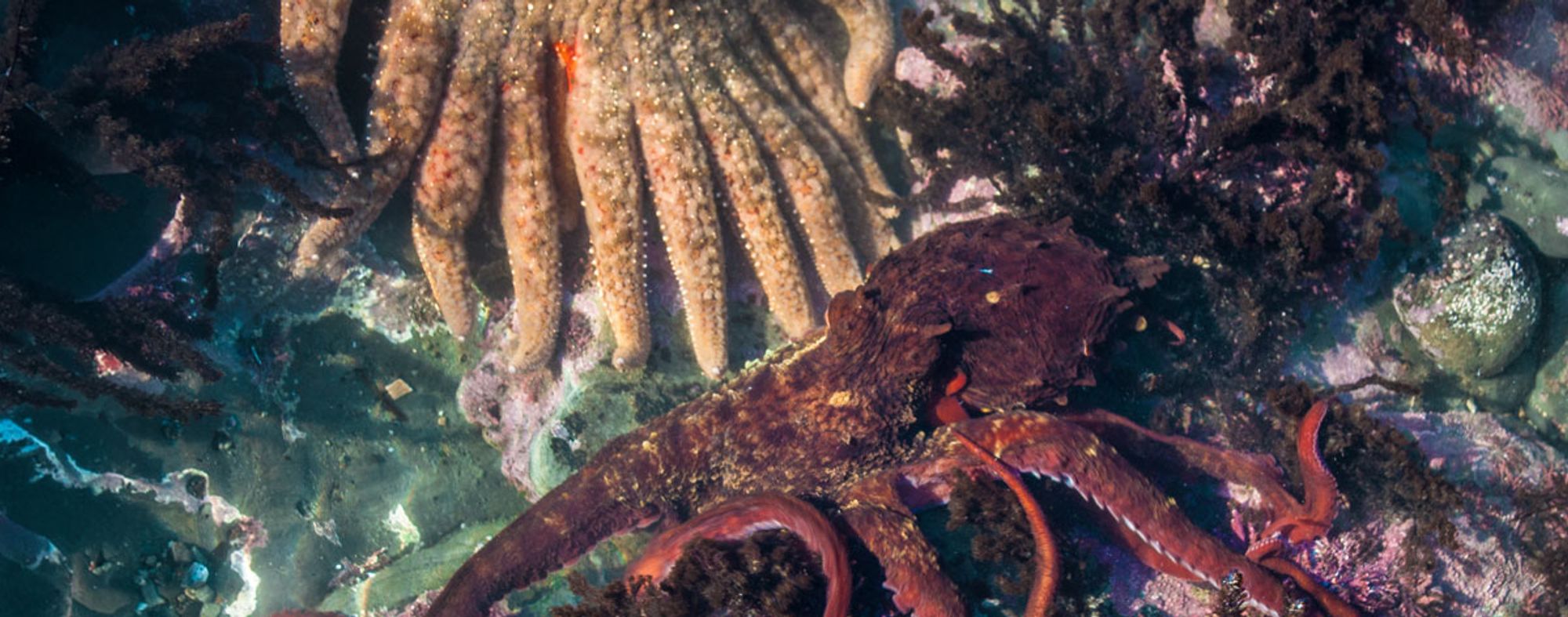
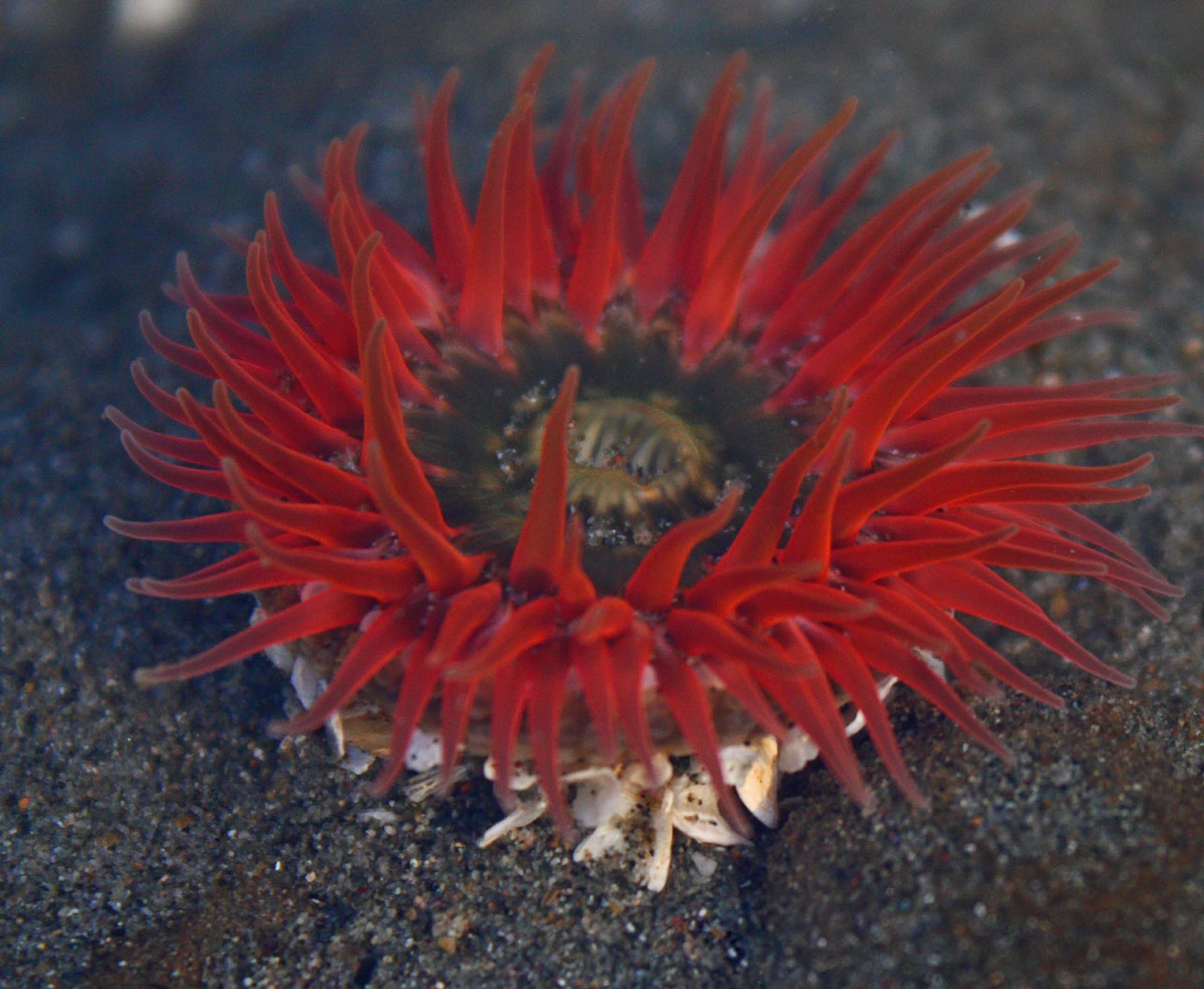
Observe and study sea stars, limpets, sea slugs, snails, chitons, mussels, barnacles, crabs, worms, fish and octopods. Explore the different adaptations these animals have for holding on, moving and eating in the busy world at the edge of the sea.
Respect the Tidepools
These are living plants and animals in their natural environment — please tread carefully and leave what you find. Visit Oregon Tidepools for more tips on exploring responsibly.
Visit Oregon Tidepools